

Hey there! As a supplier of white corundum particles, I often get asked about how these little wonders are transported. So, I thought I'd share some insights on this topic.
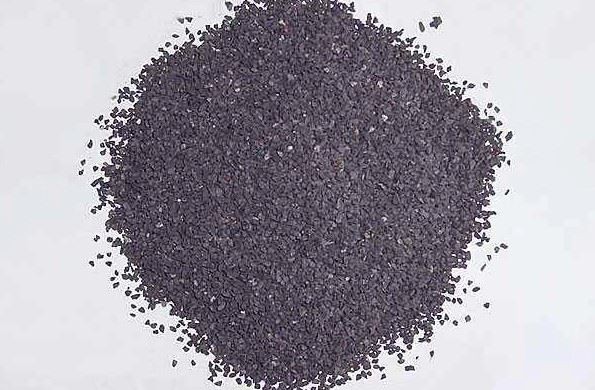
First off, let's understand what white corundum particles are. White corundum, also known as White Electro-fused Alumina, is a high - quality abrasive material. It's made by melting high - purity alumina powder in an electric arc furnace and then crushing it into particles. These particles are used in a wide range of industries, from abrasives and refractories to polishing applications like Brown Corundum & Diamond Polishing.
Packaging for Transport
The first step in transporting white corundum particles is proper packaging. We use different types of packaging depending on the quantity and the destination of the shipment. For smaller quantities, we usually go for polypropylene bags. These bags are strong, resistant to moisture, and can be easily sealed to prevent any leakage. They come in various sizes, typically ranging from 25 kg to 50 kg.
For larger quantities, we opt for big bags or bulk containers. Big bags, also known as FIBCs (Flexible Intermediate Bulk Containers), can hold up to 1000 kg of white corundum particles. They are made of woven polypropylene fabric and are equipped with lifting loops for easy handling. Bulk containers, on the other hand, are used for very large shipments. These are like big metal or plastic boxes that can hold several tons of the product.
Domestic Transport
When it comes to domestic transport within the country, we have a few options. Road transport is the most common choice for smaller and medium - sized shipments. Trucks are flexible and can deliver the product directly to the customer's doorstep. We make sure to choose reliable trucking companies that have experience in transporting abrasive materials.
For larger shipments, rail transport can be a cost - effective option. Railways can handle heavy loads and are often more environmentally friendly compared to trucks. However, the drawback is that the delivery time might be a bit longer, and there might be additional handling required at the rail terminals.
International Transport
International transport is a whole different ballgame. Shipping by sea is the most popular method for exporting white corundum particles. We load the packaged product onto shipping containers, which are then loaded onto cargo ships. There are two main types of shipping containers: 20 - foot and 40 - foot containers. The choice depends on the volume of the shipment.
Shipping by sea is relatively cheap for large volumes, but it has a longer transit time. It can take anywhere from a few weeks to a couple of months, depending on the destination. During the sea journey, the containers are stored on the ship's deck or in the hold. We make sure to secure the containers properly to prevent any movement or damage during the voyage.

Air transport is another option, but it's usually only used for urgent or high - value shipments. It's much faster than sea transport, but it's also significantly more expensive. The packaging for air transport needs to meet strict safety and weight requirements.
Handling and Safety
Throughout the transport process, proper handling is crucial. White corundum particles are abrasive, so we need to take precautions to prevent any spills or dust emissions. Workers handling the product should wear appropriate personal protective equipment, such as gloves, goggles, and dust masks.
When loading and unloading the product, we use machinery like forklifts and cranes. These machines are operated by trained personnel to ensure safe and efficient handling. We also make sure that the storage areas at the warehouses and transport terminals are clean and dry to prevent any contamination of the product.
Documentation
There's a lot of paperwork involved in transporting white corundum particles, especially for international shipments. We need to prepare documents such as commercial invoices, packing lists, bills of lading, and certificates of origin. These documents are required by the customs authorities in both the exporting and importing countries.
The commercial invoice contains details about the product, such as the quantity, price, and description. The packing list shows the contents of each package, including the weight and dimensions. The bill of lading is a document that serves as a receipt for the goods and a contract of carriage between the shipper and the carrier. The certificate of origin indicates where the product was manufactured, which is important for determining the applicable tariffs and trade agreements.
Quality Control During Transport
We also have quality control measures in place during transport. Before the shipment leaves our facility, we conduct a final inspection to make sure that the product meets the customer's specifications. During the transport, we monitor the environmental conditions, such as temperature and humidity, especially for long - distance and international shipments.
If there are any signs of damage or contamination during the transport, we have a system in place to address the issue immediately. We work closely with the carriers and the customers to ensure that any problems are resolved quickly.
Conclusion
So, that's a rundown of how white corundum particles are transported. It's a complex process that involves careful planning, proper packaging, and strict safety measures. Whether it's domestic or international transport, we strive to ensure that the product reaches our customers in the best possible condition.
If you're interested in purchasing White Fused Alumina Grain or have any questions about our products and transport options, feel free to reach out. We're always happy to have a chat and discuss your specific needs.
References
- Industry standards for packaging abrasive materials
- Shipping regulations for international trade of industrial products
- Guidelines for handling and transporting abrasive substances